







Jun 18, 2026
Wild Camping in the UK: A Beginner's Guide
By
Sophie Blanchflower
Share this article


Wild camping in the UK offers an incredible way to connect with nature and experience the outdoors without the crowds and fees of traditional campsites. This guide is designed for complete beginners who want to try their first wild camping adventure but aren't sure where to start or what they need to know.
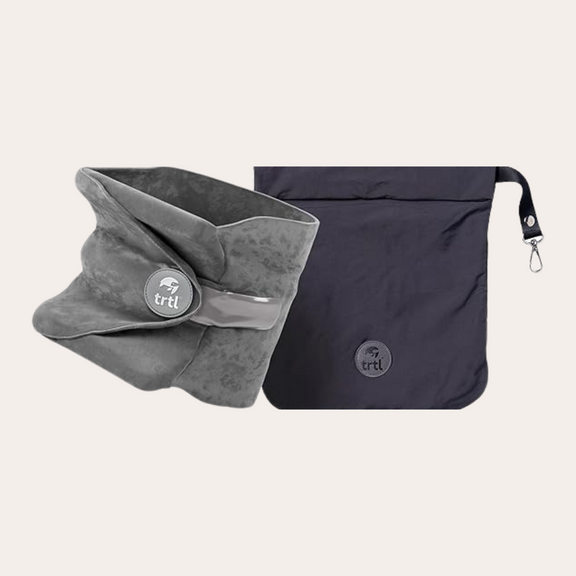
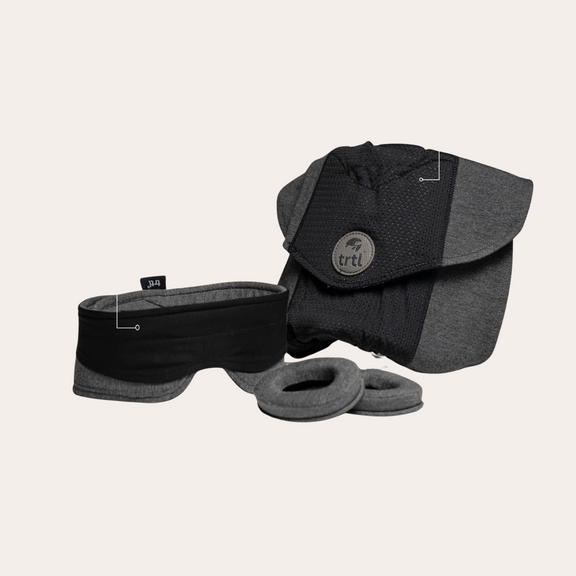
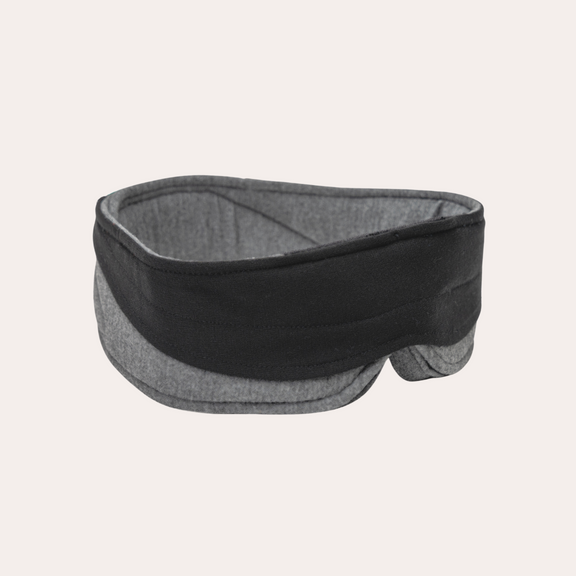
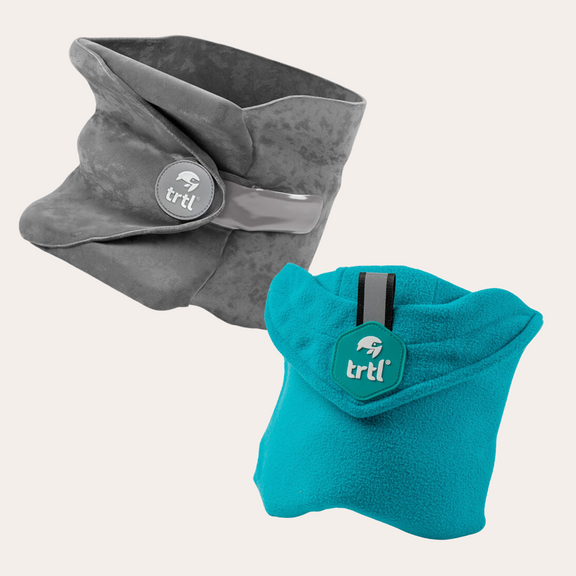
Getting started with wild camping can feel overwhelming, but with the right preparation, it becomes a rewarding outdoor experience. We'll walk you through the essential gear you'll need for your first trip, including comfort items like a Trtl Travel pillow for better sleep, a reliable Trtl Flask to keep your drinks at the right temperature, and a quality Trtl Sleep mask to help you rest properly under the stars.
You'll also learn how to find legal wild camping spots across England, Scotland, and Wales, plus discover the key Leave No Trace principles that help protect these beautiful natural spaces for future campers. We'll cover important safety tips every beginner should know before heading out into the wilderness alone or with friends.

Essential Gear for Your First Wild Camping Adventure
Choose the Right Lightweight Tent for UK Weather
Your tent needs to handle everything British weather throws at you - rain, wind, and sudden temperature drops. Look for a three-season tent with waterproof ratings above 3000mm and strong aluminum poles that won't snap in strong winds. Single-wall tents save weight but cause condensation, while double-wall designs offer better ventilation and comfort.
Select Proper Sleeping Bags and Insulation
Temperature ratings matter more than anything else when choosing your sleeping bag. Pick one rated 5-10°C below expected nighttime temperatures, as manufacturers often overstate warmth. Down bags pack smaller and weigh less, but synthetic fills work better in damp conditions. Add a closed-cell foam pad under your sleeping mat for extra insulation from cold ground.
Pack Essential Cooking Equipment and Water Purification
A lightweight gas stove with windscreen handles most UK camping needs, while a titanium pot saves precious pack weight. Pack enough fuel for your entire trip plus 25% extra. Water purification tablets work reliably, but a lightweight filter removes taste and debris better. Your Trtl Flask keeps drinks hot for hours during cold mountain nights.
Bring Navigation Tools and Emergency Equipment
Download offline maps to your phone and carry a paper backup with a compass. GPS batteries die, but basic navigation skills keep you safe. Pack a first aid kit, whistle, headtorch with extra batteries, and emergency bivvy. A Trtl Sleep mask blocks early sunrise when wild camping in summer, helping you get quality rest before long hiking days.

Finding the Perfect Wild Camping Spots
Use Online Resources and Apps to Scout Locations
Digital mapping tools transform wild camping location scouting from guesswork into strategic planning. OS Maps app provides detailed topographical data, showing elevation changes, water sources, and footpath networks across the UK. Combine this with specialized apps like Park4Night and iOverlander to discover tried-and-tested spots shared by fellow campers. Research local authority websites for specific wild camping regulations, as rules vary significantly between Scotland's right to roam and England's more restrictive policies.
Identify Safe and Sheltered Camping Areas
Look for natural windbreaks like rock formations, dense woodland, or hillside depressions that offer protection from prevailing weather. Avoid exposed ridgelines, valley bottoms prone to flooding, and areas beneath unstable trees or loose rocks. Position your camp near reliable water sources but maintain at least 50 meters distance from streams to protect waterways. Scout your chosen spot during daylight hours, checking for level ground, drainage patterns, and potential hazards.
Avoid Sensitive Environmental and Wildlife Areas
Respect designated conservation zones, nature reserves, and Sites of Special Scientific Interest where camping restrictions protect vulnerable ecosystems. Steer clear of active bird nesting sites, particularly during breeding seasons from March to August. Avoid camping near badger setts, deer rutting grounds, or areas showing signs of heavy wildlife activity like feeding grounds or well-worn animal paths. Research seasonal restrictions in your chosen area, as many locations have temporary access limitations to protect wildlife during critical periods like lambing or nesting seasons.

Leave No Trace Principles for Responsible Wild Camping
Minimize Your Impact on Vegetation and Wildlife
Protecting the natural environment means staying on established paths whenever possible and avoiding trampling delicate plant life. Set up camp on durable surfaces like rock, gravel, or already disturbed ground rather than pristine grass or moss. Keep noise levels low, especially during dawn and dusk when wildlife is most active, and store food securely to prevent attracting animals to your campsite.
Respect Other Outdoor Enthusiasts and Local Communities
Wild camping works best when everyone follows unwritten rules of courtesy and consideration. Choose campsites away from popular day-hiking routes and viewpoints, allowing others to enjoy unspoiled landscapes. Pack a quality Trtl Sleep mask to help you rest without bright camping lights disturbing fellow outdoor enthusiasts nearby. Respect private property boundaries and local customs, remembering that your behavior reflects on the entire wild camping community.
Follow Campfire Safety and Restrictions
Many areas prohibit open fires entirely due to wildfire risk and environmental protection. Where fires are permitted, use existing fire rings and keep flames small and manageable. Always carry water for complete extinguishment and stir ashes until cold before leaving. Consider bringing a lightweight camping stove instead, which offers better control and leaves no trace of your cooking activities.

Safety Considerations for Beginners
Check Weather Conditions and Prepare for Changes
Weather changes rapidly in the UK, especially in mountainous regions. Check forecasts hourly and pack layers for temperature drops, rain gear for sudden downpours, and warm clothing even during summer months. Mountain weather can shift from sunshine to storms within minutes, making proper preparation essential for your safety and comfort throughout the night.
Inform Others of Your Camping Plans and Location
Always tell someone your exact camping location, planned route, and expected return time before heading out. Share GPS coordinates or detailed descriptions of your chosen spot with a trusted contact. If you don't return as planned, this information becomes critical for emergency services. Consider carrying a Trtl Travel pillow for comfortable rest during your adventure, ensuring you're well-rested for safe hiking.
Understand Basic First Aid and Emergency Procedures
Learn basic first aid skills before your trip, including treating cuts, sprains, and hypothermia symptoms. Pack a comprehensive first aid kit and know how to use every item inside. Download offline maps and emergency contact numbers since mobile coverage can be spotty in remote areas. Practice using your emergency whistle and consider carrying a personal locator beacon for serious emergencies in isolated locations.

Wild camping opens up a whole new world of adventure right here in the UK. You've got the gear essentials covered, know where to look for those perfect hidden spots, and understand how to camp responsibly without leaving a mark on the landscape. Safety planning might seem like extra work, but it's what turns a good trip into an amazing one that you'll want to repeat.
Ready to swap crowded campsites for starlit skies and wake up to views that money can't buy? Start small with a single night close to home, practice setting up your gear beforehand, and always tell someone where you're headed. The British countryside is waiting for you – grab your backpack and go make some memories.