






Jan 06, 2026
How to stay healthy during your winter holidays
By
Sophie Blanchflower
Share this article


Winter holidays bring joy, family time, and endless celebrations—but they can also derail your health routine when you need energy most. This guide is for busy professionals, parents, and anyone who wants to stay healthy during your winter holidays without missing out on the fun.

Protect Yourself from Winter Weather and Seasonal Illnesses
Dress appropriately for outdoor winter activities
Winter weather can turn from mild to dangerous quickly, making proper clothing your first line of defense. Layer your clothing starting with moisture-wicking base layers that pull sweat away from your skin. Cotton kills in cold weather - it traps moisture and loses insulation properties when wet. Instead, choose merino wool or synthetic materials for your base layer.
Your middle layer provides insulation, so reach for fleece or wool sweaters. The outer shell should be waterproof and windproof to protect against snow, rain, and bitter winds. Don't forget about extremities - frostbite hits fingers, toes, ears, and nose first. Invest in quality waterproof gloves, insulated boots with good traction, and warm hats that cover your ears.
Keep essential travel accessories handy like hand warmers, lip balm with SPF, and moisturizer to combat dry winter air. Pack extra socks and gloves in your day pack since wet feet and hands can ruin any outdoor adventure. If you're planning activities like skiing or snowshoeing, consider renting professional-grade gear at your destination rather than lugging it through airports.
Avoid common holiday germs in public spaces
Holiday travel puts you in contact with thousands of strangers in airports, hotels, and tourist attractions. These crowded spaces become breeding grounds for viruses and bacteria. Carry alcohol-based hand sanitizer and use it frequently, especially after touching public surfaces like door handles, elevator buttons, and handrails.
When possible, maintain distance from people who are coughing or sneezing. On flights, bring disinfecting wipes to clean your seat area, tray table, and armrests before settling in.
Stay hydrated since dry cabin air and winter weather can compromise your natural defenses. Consider wearing a mask in crowded indoor spaces, especially if you're traveling during peak flu season.
Combat seasonal depression with light therapy and outdoor time
Winter's shorter days and reduced sunlight can trigger seasonal affective disorder (SAD) or winter blues, affecting your holiday mood and energy levels. Maximize natural daylight exposure by scheduling outdoor activities during peak sun hours, typically between 10 AM and 2 PM. Even cloudy winter days provide more light than indoor environments. Take morning walks, try outdoor winter sports, or simply sit by large windows while enjoying your coffee.
Light therapy offers an effective solution to the lack of natural light - expose yourself to bright light for 20-30 minutes each morning, preferably within an hour of waking up.
If you're traveling, pack a portable light therapy lamp as one of your essential travel accessories. These compact devices can fit in carry-on luggage and provide therapeutic light levels anywhere you go. Look for lamps that emit 10,000 lux of white light without UV rays.
Create cozy, well-lit indoor spaces when weather prevents outdoor time. Use warm white LED bulbs instead of harsh fluorescents, light candles during evening hours, and surround yourself with bright colors and natural elements like plants or flowers.

Boost Your Immune System Before and During Travel
Prioritize Sleep Quality and Maintain Consistent Bedtime Routines
Your immune system needs quality sleep to function at its best, especially when you're preparing for winter travel. Getting 7-9 hours of sleep each night helps your body produce infection-fighting cells and antibodies that protect you from illness. When you consistently shortchange your sleep, your immune response weakens significantly, making you more susceptible to picking up bugs during your holiday travels.
Start preparing your sleep schedule at least a week before your departure. If you're traveling across time zones, gradually shift your bedtime and wake time by 15-30 minutes each day to minimize jet lag. This strategy helps your circadian rhythm adjust more smoothly to your destination's schedule.
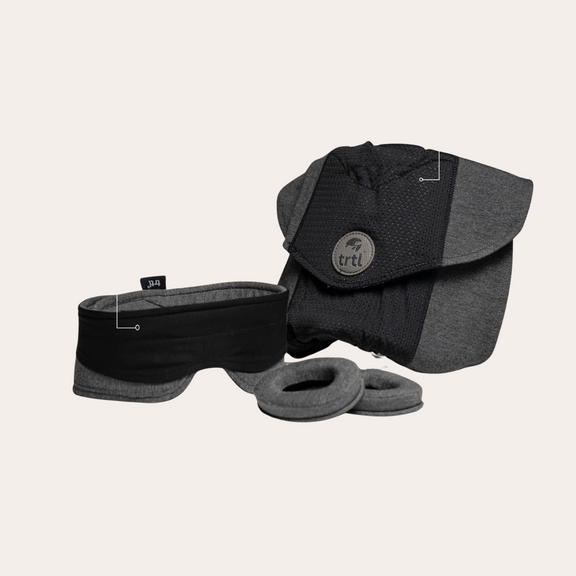
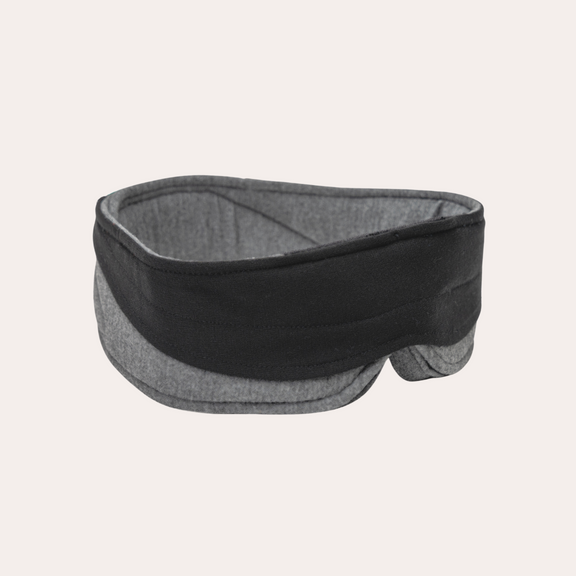
Create a sleep-friendly environment wherever you rest. Pack an eye mask to block out light, and consider bringing earplugs or a white noise app to manage unfamiliar sounds. Keep your bedroom cool, around 65-68°F/18-20°C, as this temperature range promotes deeper sleep phases.
Aim to avoid using your phone or watching TV for an hour before your bed time as blue light disrupts melatonin production. Instead, try reading, gentle stretching, or meditation to help your mind wind down. If you're staying in hotels or guest rooms, maintain your regular bedtime routine as much as possible - this consistency signals to your body that it's time to rest, even in unfamiliar surroundings.
Take Essential Vitamins and Supplements for Winter Health
Winter travel puts additional stress on your immune system, making targeted nutritional support crucial for staying healthy. Vitamin D stands as your most important ally during the darker winter months, as reduced sunlight exposure leaves many people deficient. Take 1,000-2,000 IU daily, especially if you're traveling to or live in locations with limited daylight hours (Trtl is based in Scotland so you can trust us on this!).
Vitamin C helps your body fight off infections as it supports immune cell functions. While you can get vitamin C from citrus fruits and vegetables, a supplement ensures consistent intake when healthy food options might be limited during travel. Aim for 500-1,000mg daily, spreading the dose throughout the day for better absorption.
Zinc plays a critical role in immune system development and function. Research shows that zinc deficiency impairs your body's ability to fight infections. Consider taking 8-11mg daily, but don't exceed 40mg as too much zinc can actually suppress immune function.
Probiotics deserve special attention for travelers, as they support gut health where roughly 70% of your immune system resides. Choose a high-quality probiotic with multiple strains and at least 10 billion CFUs. Start taking probiotics a week before travel to establish beneficial bacteria in your digestive system.
Pack your supplements in clearly labeled containers and keep them easily accessible. Some useful travel accessories include pill organizers with daily compartments and vitamin cases that fit in carry-on bags, ensuring you never miss a dose during your journey.
Practice Good Hygiene Habits in Crowded Spaces
Crowded airports, train stations, and holiday gatherings create perfect conditions for germs to spread rapidly. Your hands touch countless contaminated surfaces throughout the day, making proper hand hygiene your first line of defense against illness.
Wash your hands frequently and thoroughly, ideally with soapy water. When soap and water aren't available, use hand sanitizer. Avoid touching your face, especially your eyes, nose, and mouth, as these areas provide direct entry points for viruses and bacteria into your system.
Disinfect frequently touched surfaces before use - pack disinfecting wipes in your travel accessories kit for easy surface cleaning. Your phone screen deserves attention too - clean it regularly with alcohol-based wipes designed for electronics. Maintain physical distance when possible in crowded areas, and consider wearing a mask in particularly dense spaces like packed elevators or busy terminals.
Stay hydrated throughout your travels, as proper hydration helps your mucous membranes function effectively as barriers against pathogens. Bring a refillable water bottle and aim to drink water regularly, even if you don't feel thirsty.

Make Smart Food Choices at Holiday Gatherings
Balance indulgent foods with nutritious options
Holiday gatherings don't have to derail your healthy eating habits. The key is creating a balanced plate that includes both the festive foods you love and nutritious options that fuel your body. Start by scanning the entire spread before filling your plate, then aim for the 50/25/25 rule: half your plate should contain vegetables, salads, or fruits, while the remaining space can be split between lean proteins and those irresistible holiday treats.
Look for colorful vegetables like roasted Brussels sprouts, green beans, or winter squash that often appear at holiday tables. These nutrient-dense foods provide essential vitamins and fiber that help you feel satisfied longer. When you indulge in rich dishes like stuffing or desserts, savor smaller portions mindfully rather than restricting yourself completely.
Consider bringing a healthy dish to share if you're attending someone else's gathering. A vibrant salad, roasted vegetable medley, or fruit platter gives you a nutritious option while contributing something valuable to the meal.
Practice portion control at festive meals
Managing portions during holiday feasts becomes easier with a few strategic approaches. Start meals with a glass of water and begin eating with lighter options like salads or broth-based soups. This strategy helps you feel more satisfied before moving on to heavier dishes. Eating slowly and putting your fork down between bites allows your brain time to register fullness signals, typically taking about 20 minutes.
Pay attention to your body's hunger and fullness cues throughout the meal. Stop eating when you feel comfortably satisfied rather than uncomfortably full, remembering that you can always enjoy leftovers later.
Stay hydrated with water between alcoholic beverages
Alternating alcoholic drinks with water keeps you hydrated and helps prevent overconsumption of empty calories. Holiday cocktails, wines, and festive drinks often contain significant amounts of sugar and calories that can quickly add up.
Set a realistic limit for yourself before the celebration begins and choose quality over quantity by selecting one or two special drinks you really want to try rather than sampling everything available.
For every alcoholic beverage, drink one full glass of water before ordering or pouring another drink. Consider festive non-alcoholic alternatives that still feel celebratory. Sparkling water with fresh cranberries and lime, herbal teas with warming spices, or mocktails made with fresh juices can satisfy your desire for something special without the alcohol content.
Plan healthy snacks for long travel days
Packing nutritious travel snacks prevents reliance on expensive, processed airport food or gas station options that often leave you feeling sluggish. Prepare individual portions of mixed nuts, seeds, and dried fruit in small containers or reusable bags that fit easily in your carry-on or car.
Fresh fruits like apples, bananas, or clementines travel well and provide natural sugars for sustained energy. Pair these with protein-rich options like hard-boiled eggs, Greek yogurt, or nut butter packets to create satisfying combinations that keep blood sugar stable during long stretches between meals.
When packing travel accessories, include a refillable water bottle to stay hydrated throughout your journey. Many airports and rest stops now have water filling stations, making it easy to maintain proper hydration without purchasing expensive bottled water.
Pack snacks in easy-to-access compartments of your luggage so you can grab them quickly when hunger strikes. Having healthy options readily available helps you avoid impulsive food purchases that might not align with your wellness goals during holiday travel.

Maintain Your Exercise Routine Despite Holiday Disruptions
Create indoor workout alternatives for cold weather days
When winter weather keeps you indoors, your fitness routine doesn't have to hibernate. Bodyweight exercises work perfectly in small spaces and require zero equipment. Push-ups, squats, lunges, and planks can form a complete circuit that targets all major muscle groups. Try alternating between 30 seconds of work and 15 seconds of rest for four rounds.
Yoga flows provide both physical activity and stress relief during hectic holiday periods. Download offline workout videos before traveling, ensuring you can access guided sessions even without reliable internet.
Schedule physical activities into your holiday itinerary
Planning exercise like any other holiday commitment increases your success rate dramatically. Block out 20-30 minutes daily on your calendar, treating workouts as non-negotiable appointments. Morning sessions work best since holiday events typically fill afternoons and evenings.
Research your destination's walking routes, hiking trails, or bike rental options before arrival. Many cities offer scenic jogging paths along waterfronts or through historic districts, combining sightseeing with cardiovascular exercise. Winter destinations often provide outdoor activities like snowshoeing, cross-country skiing, or ice skating.
Build activity into travel days themselves. Airport walking between gates, taking stairs instead of elevators, and doing stretches during long car rides help maintain movement even during transit. Schedule active recovery days between intense holiday celebrations to recharge both physically and mentally.
Turn holiday activities into fitness opportunities
Holiday traditions offer surprising workout opportunities when approached creatively. Gift shopping becomes cardio when you park farther away and walk briskly between stores. Carry packages instead of using carts to add strength training elements. Mall walking provides climate-controlled exercise during harsh weather.
Cookie decorating parties can include dance music to keep everyone moving. Suggest active games like charades or holiday-themed scavenger hunts that get people off the couch. Ice skating, sledding, and building snowmen burn calories while creating memories.
Volunteer activities during the holidays often involve physical tasks like serving meals, sorting donations, or setting up events. These meaningful contributions double as moderate exercise while supporting your community. Dancing at holiday parties counts as cardio – encourage group participation in festive music.
Use hotel gyms and local fitness facilities while traveling
Most hotels offer basic fitness centers with cardio machines and free weights. Call ahead to confirm amenities and operating hours, especially during holidays when schedules might change. Many hotel gyms provide towels and basic toiletries, reducing what you need to pack.
Day passes at local gyms typically provide access to full facilities, classes, and swimming pools. Chain gyms often offer reciprocal privileges if you're already a member elsewhere. Community centers frequently have affordable drop-in rates for visitors.
Research fitness apps that connect you with local workout classes or running groups. Many cities have visitor-friendly yoga studios, CrossFit boxes, or cycling clubs that welcome travelers. Pack essential travel accessories like athletic shoes, moisture-wicking clothes, and a water bottle to maximize these opportunities.
Swimming pools at hotels or recreation centers provide excellent full-body workouts while being gentle on joints stressed from extra holiday indulgences. Water aerobics classes cater to all fitness levels and offer social interaction with locals or fellow travelers.

Manage Holiday Stress for Better Mental Wellness
Set Realistic Expectations for Holiday Celebrations
The holidays often come with pressure to create picture-perfect moments, but this mindset can quickly turn joyful celebrations into stress-filled obligations. Instead of aiming for magazine-worthy gatherings, focus on what truly matters to you and your loved ones. Maybe your holiday cookies won't look Pinterest-perfect, or your decorations might be simpler than last year – and that's completely okay.
Start by having honest conversations with family members about what everyone actually wants from the holidays. You might discover that others prefer low-key gatherings over elaborate productions too. Make a list of your top three holiday priorities and let go of everything else. If spending quality time with family ranks highest, don't exhaust yourself trying to also host the perfect dinner, attend every party, and buy expensive gifts. Create your own definition of holiday success based on connection, joy, and meaningful experiences rather than external appearances.
Manage Stress and Allow Time for Rest
Holiday stress often builds up because we're constantly thinking about the next task or worrying about upcoming events. Mindfulness techniques can be a useful tool to manage holiday anxiety.
Deep breathing exercises work wonders during hectic moments. Practice box breathing by inhaling for 4 counts, holding for 4, exhaling for 4, and holding empty for 4. You can do this anywhere – while waiting in checkout lines, before entering a family gathering, or when lying in bed at night.
Remember - the holiday season doesn't require you to say yes to every invitation or squeeze in every possible activity. Overscheduling leads to burnout and prevents you from truly enjoying the experiences you do choose to participate in. Look at your calendar and identify your non-negotiable commitments versus the optional events. Be selective about which holiday parties, shopping trips, and activities deserve your time and energy. Quality beats quantity when it comes to holiday experiences.
Block out specific times for rest and relaxation, treating them as seriously as any other appointment. This might mean scheduling a quiet morning with coffee and a book, taking an afternoon nap, or having an evening where you simply stay home in comfortable clothes.
Maintain Social Connections While Setting Healthy Boundaries
The holidays can intensify family dynamics and social pressures, making it crucial to maintain healthy boundaries while still nurturing important relationships. You can be loving and present without sacrificing your own well-being.
Practice saying no politely but firmly. "I won't be able to make it, but I hope you have a wonderful time" is a complete response that doesn't require lengthy explanations or apologies. You don't owe anyone a detailed justification for protecting your time and energy.
When family conversations turn to topics that stress you out – whether it's politics, personal choices, or old family conflicts – have redirect strategies ready. Change the subject to shared positive memories, ask about someone's recent interests, or excuse yourself to help in the kitchen.
Remember that you can love people deeply while still maintaining boundaries that protect your mental health. True connection happens when you're authentic and taking care of yourself, not when you're stressed and overwhelmed trying to please everyone else.

Closing thoughts
Your winter holidays don't have to derail your health goals. Sticking to your workout routine, choosing nutritious options at gatherings, and strengthening your immune system will keep you feeling great throughout the season. Managing stress and protecting yourself from harsh weather and seasonal bugs are just as important as watching what you eat and staying active.
The holidays are meant to be enjoyed, not endured. By planning ahead and making small, consistent choices that support your wellbeing, you can fully embrace the festivities while maintaining your health. Start implementing these strategies now, and you'll return from your winter break feeling refreshed and energized rather than sluggish and run-down.